

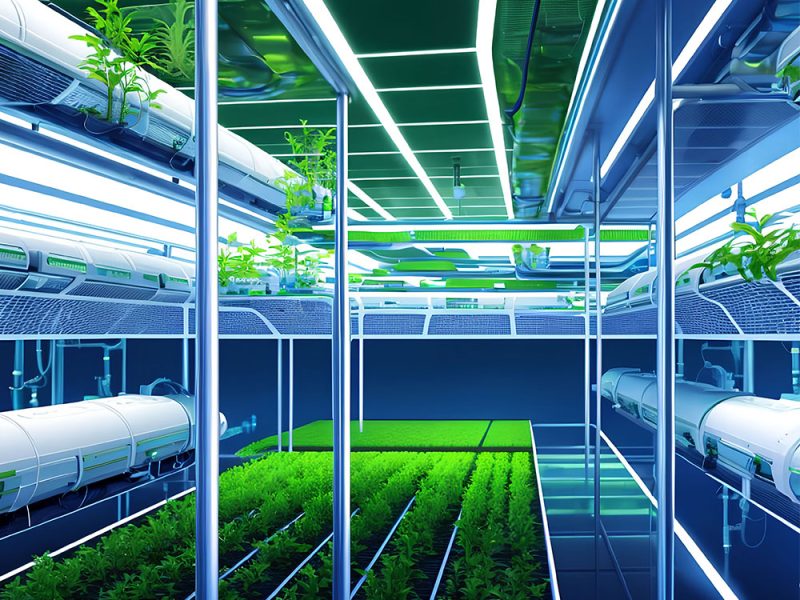

Ways to Increase Efficiency in Modern Greenhouse Systems
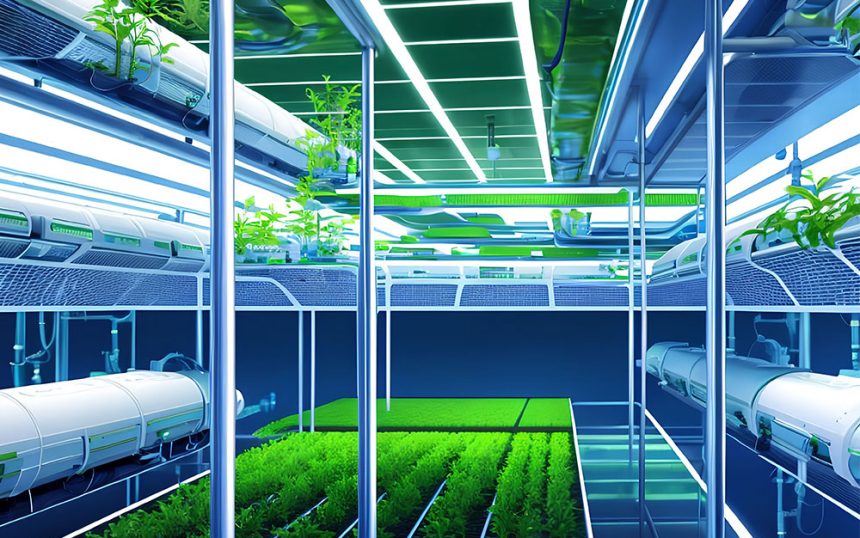
Today’s greenhouse systems not only enable sustainable seasonal farming year-round but also offer a variety of technological solutions for productivity. This increased productivity can be achieved in many areas, including air conditioning, irrigation, light management, automation, and biological control. Here are the basic methods used to increase productivity in modern greenhouse systems:
1. Air Conditioning and Temperature Control
In modern greenhouse systems, temperature control directly impacts crop productivity. Advanced air conditioning systems and sensors continuously monitor the temperature inside the greenhouse and adjust it to the desired level. This ensures the ideal temperature range for plants, increasing productivity. Using heat recovery systems in air conditioning systems also supports energy efficiency.
2. Smart Irrigation Systems
Meeting plants’ water needs accurately and optimally is a key factor in increasing productivity. Smart irrigation systems save water by delivering the exact amount of water the plant needs at the exact time. Systems integrated with soil moisture sensors and weather data save both energy and resources by only watering when needed.
3. LED Lighting Systems
Using LED lighting instead of traditional greenhouse lighting saves energy and optimizes the plant’s growth cycle. The intensity and wavelength of LED lights can be adjusted to best suit plant photosynthesis. This increases plant growth rates and reduces energy costs.
4. Automation and Digital Monitoring
In modern greenhouses, automation systems monitor all conditions within the greenhouse (temperature, humidity, light, carbon dioxide) and intervene. Equipped with sensors, these systems analyze the data and automatically make necessary adjustments. For example, irrigation, fertilization, or temperature control can be performed through an app. This continuous monitoring speeds up the production process and reduces error rates.
5. Biological Control and Natural Fertilization Methods
Another way to increase productivity by reducing chemical use is through biological control methods. Biological products or natural enemies are used to control pests, protecting plants from chemical effects. Furthermore, using compost or biological fertilizers protects plant health and increases yield.
6. Heat and Water Recovery
Heat recovery allows the recycling and reuse of hot air inside the greenhouse. Water recovery systems save water by filtering used water and reintroducing it into the irrigation system. These methods both reduce costs and support sustainable agriculture.
7. Data Analysis and Predictive Models
Data analysis systems are used to optimize future production conditions by analyzing climate and growth data collected in the greenhouse. Predictive models allow for early detection and intervention of potential problems in the production cycle.
8. Advanced Ventilation Systems
Controlling air circulation allows for the regulation of humidity and temperature in greenhouses. Ventilation systems used in modern greenhouses support plant health and increase productivity. Accumulated moisture, especially in enclosed spaces, increases the risk of pests and diseases; therefore, automated ventilation offers a significant advantage.
These methods increase efficiency in modern greenhouses, allowing for higher yields with fewer resource usage. Investing in technological innovations is essential to establish a sustainable greenhouse approach, both economically and environmentally.