


How Are Humidity and Temperature Controlled in Greenhouse Systems?
Humidity and temperature control in greenhouse systems are critical for improving plant health and productivity.
Appropriate temperature and humidity levels are among the most important factors affecting the growth cycle of plants. Here are the methods used to control these parameters in greenhouse systems:
1. Climate Control Systems
The most common way to control temperature and humidity levels inside a greenhouse is through climate control systems. Modern greenhouses typically feature automated control systems. These systems continuously monitor air temperature and humidity, automatically making necessary adjustments. For example, when the temperature reaches a certain level, ventilation systems activate to cool the interior of the greenhouse.
2. Ventilation
Ventilation is an effective way to balance temperature and humidity levels inside the greenhouse. Windows or fans located at the top of greenhouses allow hot air inside to be expelled. Natural ventilation is based on the principle of hot air rising and cold air entering. In addition, mechanical ventilation systems provide a more controlled airflow.
3. Temperature and Humidity Sensors
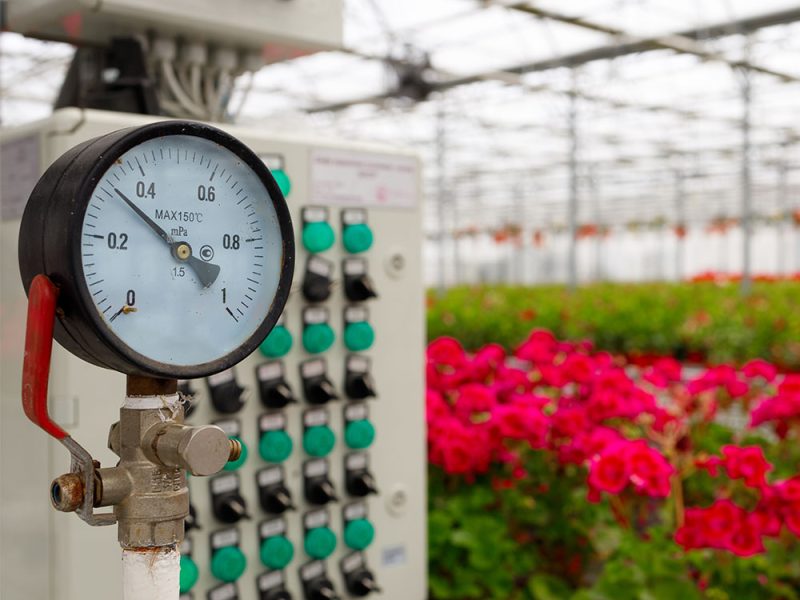
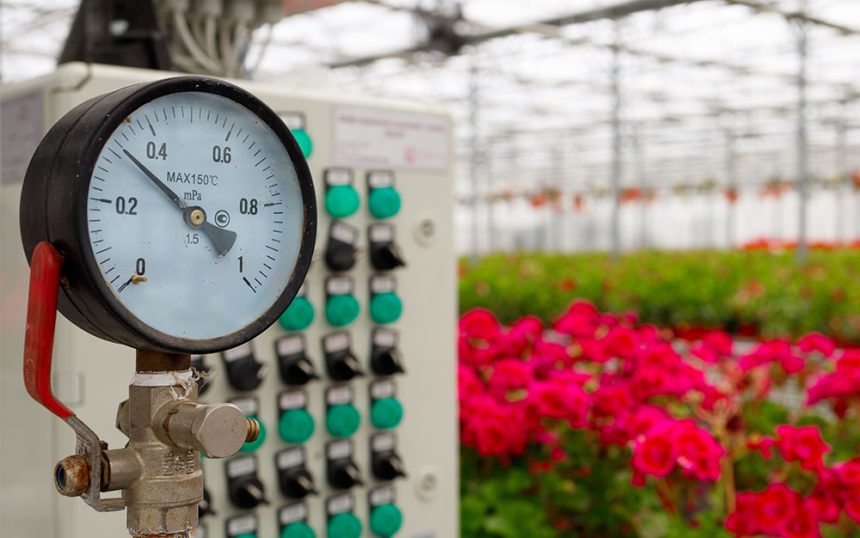
Advanced sensors instantly monitor temperature and humidity levels inside the greenhouse. This data is transmitted to a central control panel, where it is analyzed and automatic adjustments are made. Thanks to these sensors, farmers can make quick decisions based on real-time data and intervene when necessary.
4. Heat Insulation
Providing heat insulation in greenhouse structures helps maintain the internal temperature. By using heat insulation materials, you can reduce heat loss in cold weather and prevent overheating in summer. This insulation also significantly reduces energy costs.
5. Humidity Management
Irrigation systems are crucial for controlling humidity levels. Automatic irrigation systems provide plants with the water they need at the right time. Furthermore, it is possible to monitor the water level in the soil using humidity sensors and irrigate accordingly. This prevents problems such as over-watering or under-watering.
6. Temperature Control Equipment
Various equipment is used to control temperature levels inside the greenhouse. These include electric heaters, hot air fans, and water heaters. These devices increase the internal temperature in cold weather, allowing plants to grow healthily.
7. Biological Control Methods
Biological methods also play an effective role in humidity and temperature control. For example, growing certain plants together to maintain the natural moisture balance of the plant cover can help naturally balance humidity.
Conclusion
Humidity and temperature control in greenhouse systems is vital for plant health and productivity. With the integration of modern technologies, these control processes are becoming easier and helping farmers with sustainable agricultural practices. The correct application of these systems increases agricultural productivity and ensures more efficient use of resources.