


Materials Used in Greenhouse Construction and Their Effects
The materials used in greenhouse construction create an ideal environment for plant growth, while also being important in terms of efficiency, durability, and sustainability. Here are the main materials frequently used in modern greenhouses and their effects:
1. Polycarbonate Panels
Polycarbonate panels are frequently preferred in greenhouses due to their lightweight and durable structure. This material allows sunlight to pass through, allowing plants to photosynthesize, while also filtering the harmful effects of UV rays on plants. Because polycarbonate is more insulating than glass, it increases the greenhouse’s energy efficiency and maintains indoor temperatures for longer periods.
2. Glass
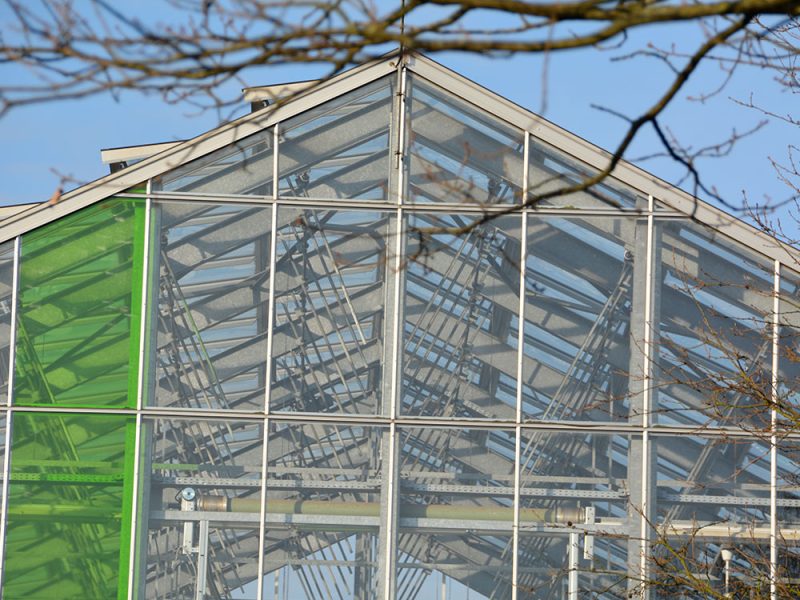
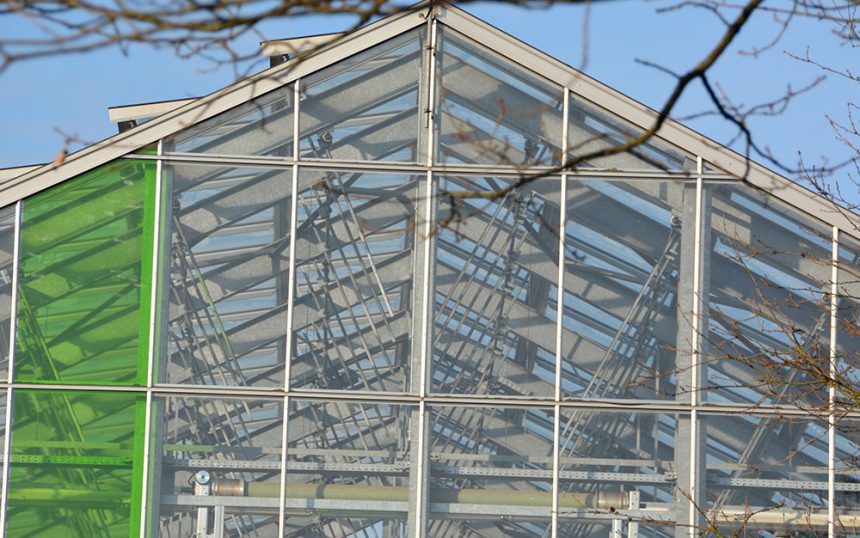
Glass is one of the materials traditionally used in greenhouse construction. It offers high light transmittance, maximizing natural light for plants. However, glass’s fragility and limited insulating properties can increase energy costs, especially in larger greenhouses. However, its longevity and easy-to-clean nature continue to make glass popular.
3. Plastic Films (Polyethylene Film)
Polyethylene plastic films are preferred for greenhouses with large areas because they offer an economical solution. These films block UV rays and protect plants from outdoor conditions. However, they are not as durable as polycarbonate or glass. These films, which require regular replacement, can increase greenhouse costs and maintenance requirements.
4. Aluminum Frames
In greenhouse structures, aluminum frames stand out for their lightweight and corrosion-resistant properties. While aluminum provides a sturdy structure, it requires less support than heavier materials. It is particularly durable because it is resistant to high humidity levels. However, the cost can be higher than other metal frames.
5. Steel Frames
Steel frames provide stability in large greenhouses due to their heavy construction. Galvanized steel is corrosion-resistant and suitable for many years of use. However, because steel conducts heat, it can affect the temperature inside the greenhouse, requiring additional heating during cold weather.
6. Porous Shade Cloths
Porous fabrics are used to protect plants from intense sunlight, especially during the summer months. These fabrics provide shade in certain areas of the greenhouse and prevent plants from overheating. Its porous structure helps regulate humidity by promoting air circulation.
7. Polypropylene and Polyethylene Sheets
Polypropylene and polyethylene sheets used in greenhouses provide UV protection and protect the greenhouse environment from external factors. In addition to being weather-resistant, these sheets offer easy installation with their flexible structure. They are especially preferred in small and medium-sized greenhouses.
8. Greenhouse Base Materials (Gravel and Plastic Base)
The base materials used in greenhouses are also important for efficiency. Drainage-enhancing substrates, such as gravel, prevent water accumulation. Plastic base coverings are easy to clean and maintain moisture balance. Choosing the right base material is important for healthy plant root development.
9. Thermal Insulation Materials
Thermal insulation materials used to increase the efficiency of greenhouse structures save energy, especially in cold regions. Thermal blankets or foam insulation materials help maintain temperature inside the greenhouse. These materials reduce energy costs and protect plants during the winter months.
10. Water Recovery Systems
Water recovery systems are being added to greenhouses to utilize water resources efficiently. Rainwater collection systems, filters, and recycling pumps reduce irrigation costs and conserve water. These systems create a sustainable water cycle within the greenhouse, reducing environmental impact.
Each material offers different advantages depending on the greenhouse’s climate conditions, budget, and plant species. Effectively combining these materials ensures maximum efficiency and long-lasting greenhouse structures. In modern greenhouse farming, the right material selection impacts not only cost but also sustainability.